Monday, February 9, 2026

Cabin


 Covid gave us some free time for a bit, so we found something to do with about 20 hemlock trees that we removed for a customer in Cheshire.  I can say it was A LOT of work! But it came out nicely all things considered. It’s not easy building something with out dimensional lumber! Air gaps can be an issue…lessons learned. 

Sunday, January 28, 2018

Why Prune Young Young Trees?

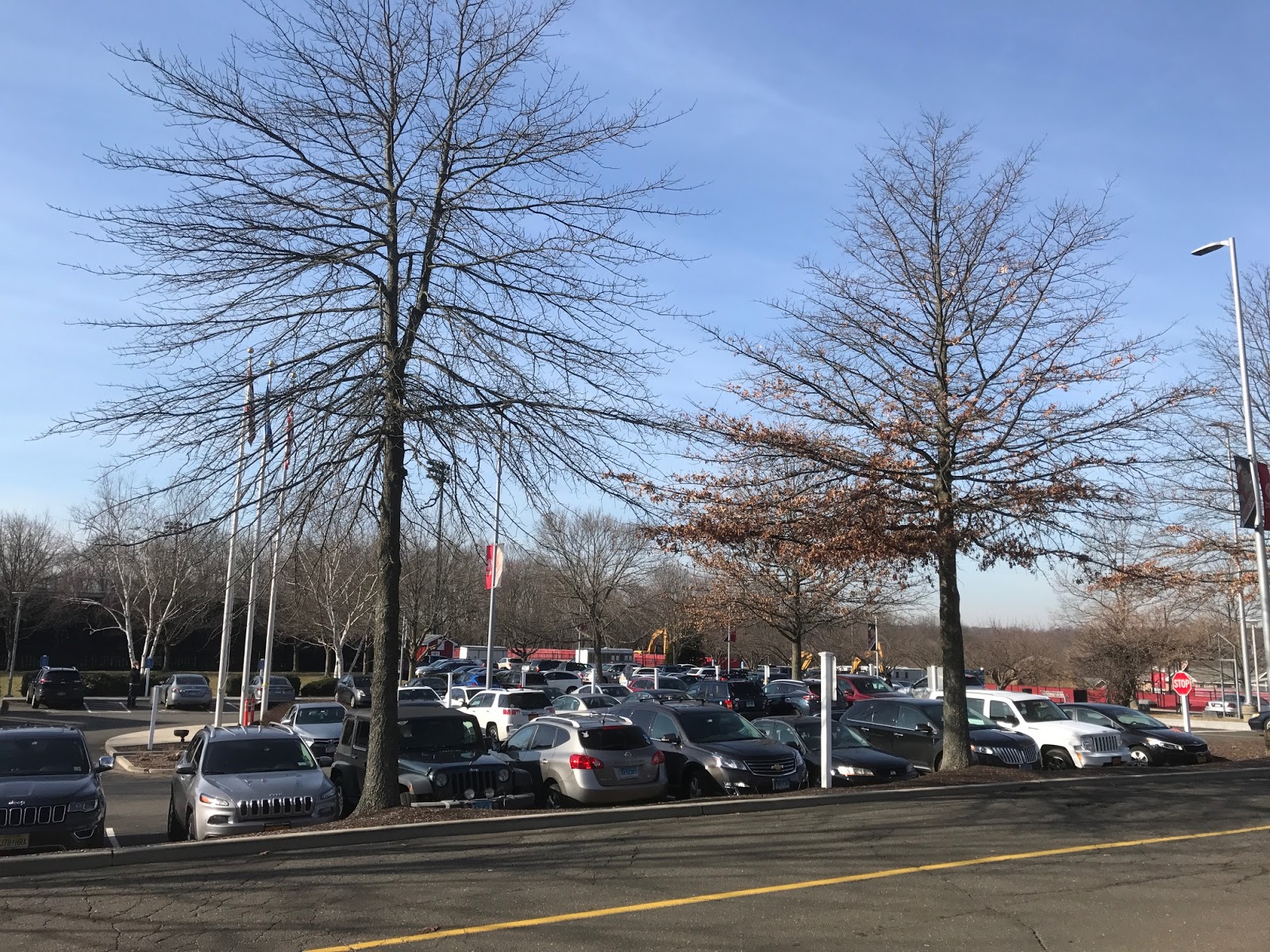
I was attending a CHS cheer leading competition for my daughter at Sacred Heart University recently and noticed these Oak trees  in front of the arena.  First let me say that I was impressed with the level of tree/shrub care and the new plantings on the campus.  I noticed these trees side by side and they are a good example of why younger newly panted trees should be pruned.  The tree on the left has two competing co-dominant leaders.  There is a higher probability of the tree splitting apart in higher winds.  One of these leaders should have been removed when the tree was smaller.  The tree on the right has a single straight leader which is much stronger and desirable. Keep this in mind when pruning your smaller trees.


Wednesday, February 3, 2016

Squirrels in your house?


Removing a limb from an old mature oak thats close to this roof.  While trees have many benefits including  shading this house, they have to be trimmed back from time to time.  This prevents allowing squirrels to jump onto roofs, and possibly damaging the home.  Moss buildup on roofs is sometimes caused by reduced air circulation and excessive shade when a tree's branches are to close.
And Remember - Well Pruned Trees Thrive!

Friday, November 20, 2015

Swingset crushed!

I was called to this job over this past summer.  A scary situation for sure, but luckily no kids were using this swings at the time the large branch failed.  Upon closer inspection I found that the branch was infested with carpenter ants.

Girdling Roots


I noticed this trees crown was bicolored and on closer inspection the trunk had no "flare" as it entered the ground.  These were tell-tale signs of a tree being deprived of water and nutrients.  The culprit was a girdling root that was "choking" the tree by restricting the movement of sap throughout the tree.  We had to carefully excavate the root and remove an approximate 6" section of it (so it wouldn't reconnect},  At this point the tree can now grow in circumference and will push the remaining root sections out.  A fertilization is sometimes needed to encourage accelerated growth.

Solar power is on the rise in our community.  This recent solar installation in Cheshire required tree pruning to allow optimum sunlight exposure in the location.

Thursday, September 17, 2015

Ash Trees Dying

Unfortunately the ash tree borer (EAB) is in Connecticut and killing many ash trees.  The mortality rate is near 90% once a tree is infested.  Keep an eye out for ash trees in decline along streets and especially if you have any in your yard.  If you have a healthy ash tree, especially white ash, you should contact an arborist immediately to inspect the trees.  Once the trees are stressed, they will decline rapidly.

-George Fletcher Jr.
 State of Ct Arborist Lic# 62804

Infested white ash trees along Rt 42 in Prospect/Beacon Falls


Beautiful Killers

"Adult EAB beetles are beautiful insects and amazingly good at finding and colonizing ash trees. Unlike many insects, EAB does not appear to produce any long-range pheromones to attract potential mates. Instead, the beetles use their vision and the mix of chemicals emitted by ash leaves, bark and wood to find their host trees and each other. They are particularly attracted to the blend of compounds given off by stressed or injured ash trees and to specific shades of purple and green. Once beetles find an ash tree, they nibble along the margins of leaves throughout their three- to six-week life span. Leaf feeding is important for the beetles to mature, but it has virtually no effect on the trees. After 15 to 20 days of leaf feeding, the females begin to lay a few eggs at a time, tucking them beneath bark flaps or in bark crevices. Many beetles mean many eggs — bad news for the tree when they hatch."
Retrieved from: 
http://www.americanforests.org/magazine/article/will-we-kiss-our-ash-goodbye/